Root Canal Treatment
At the Portuguese Institute of Endodontics, every case is assessed with clinical rigour, operating microscopy and imaging appropriate to the situation, so that treatment can be as predictable, conservative and comfortable as possible.
What is root canal treatment?
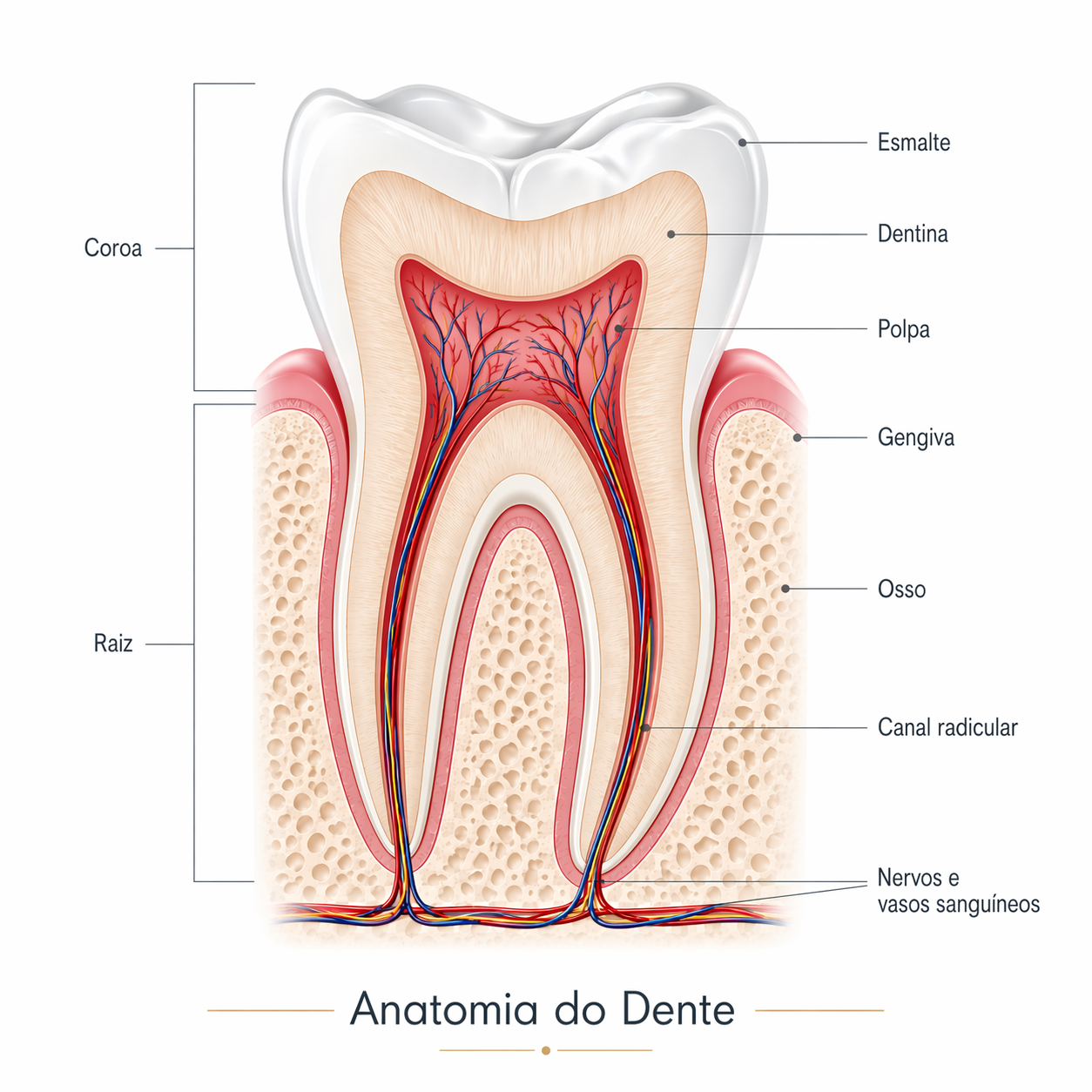
Root canal treatment is the procedure used to treat the inside of a tooth when the dental pulp — the tissue containing nerves and blood vessels — is inflamed, infected or irreversibly damaged.
During treatment, this tissue is removed and the inside of the tooth is carefully cleaned, disinfected and sealed, allowing the tooth structure to be preserved and the tooth to remain functional.
In English, this procedure is commonly known as root canal treatment. The clinical specialty dedicated to diagnosing and treating these conditions is Endodontics. You can learn more about what Endodontics is and what it treats.
When might root canal treatment be necessary?
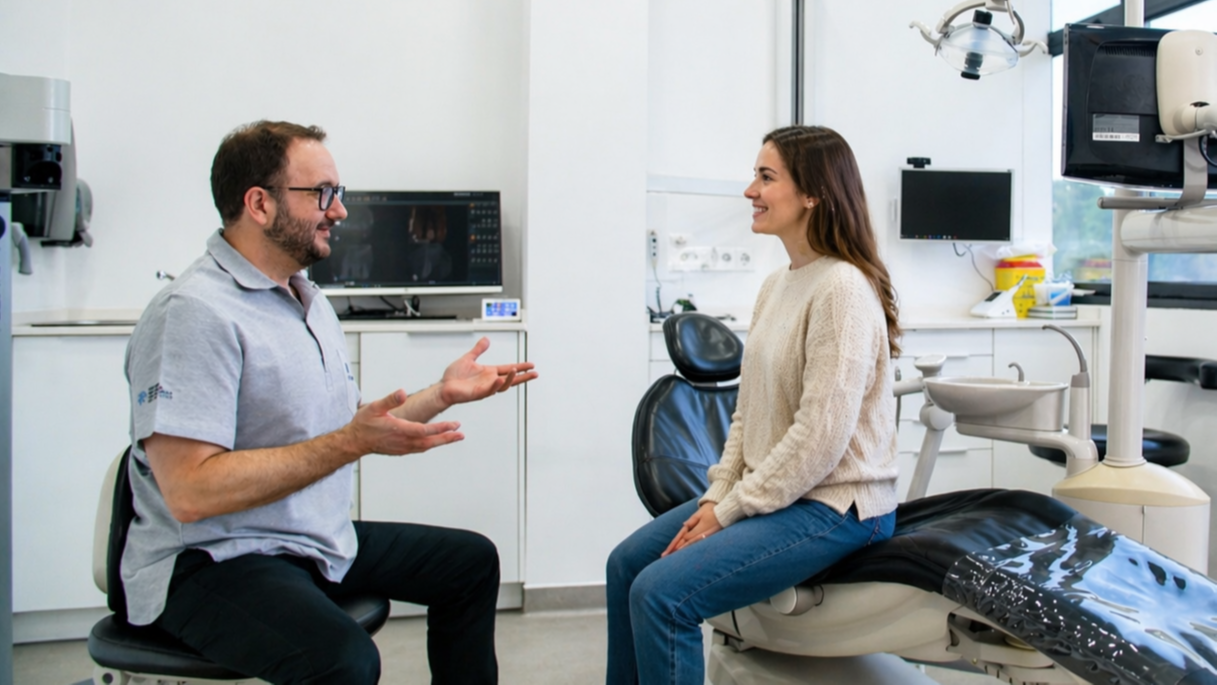
Several situations can lead to inflammation or infection of the dental pulp. The most common causes include:
- deep decay
- old leaking restorations
- repeated restorations on the same tooth
- a tooth fracture or crack
- trauma
- severe tooth wear
- an infection already established around the root
If the condition is not treated in time, pain, swelling, persistent tenderness, an abscess or bone loss around the root may develop.
What signs may indicate that treatment is needed?
Not every tooth that needs root canal treatment causes severe pain. In some cases, the signs are subtle. Symptoms that most commonly warrant an assessment include:
- spontaneous or throbbing pain
- pain when chewing or touching the tooth
- prolonged sensitivity to cold or heat
- a feeling of pressure
- swelling of the gum
- the appearance of a small “pimple” or drainage near the tooth
- discolouration of the tooth
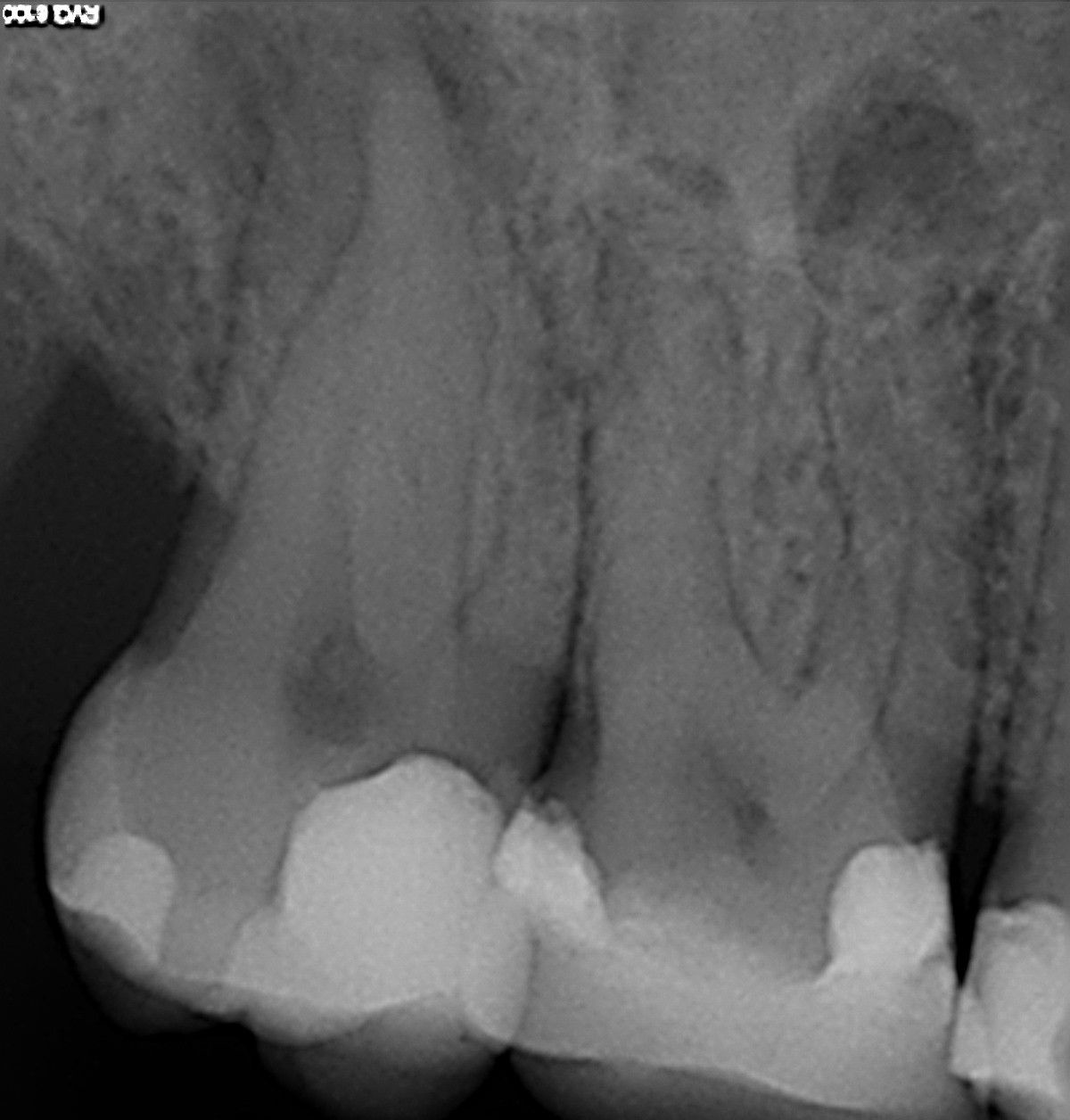
- signs of infection detected on an X-ray, even without pain
Do you recognise any of these signs?
A clinical and radiographic assessment can determine whether the problem is endodontic in origin and identify the most appropriate approach to preserve the tooth.
How is root canal treatment performed?
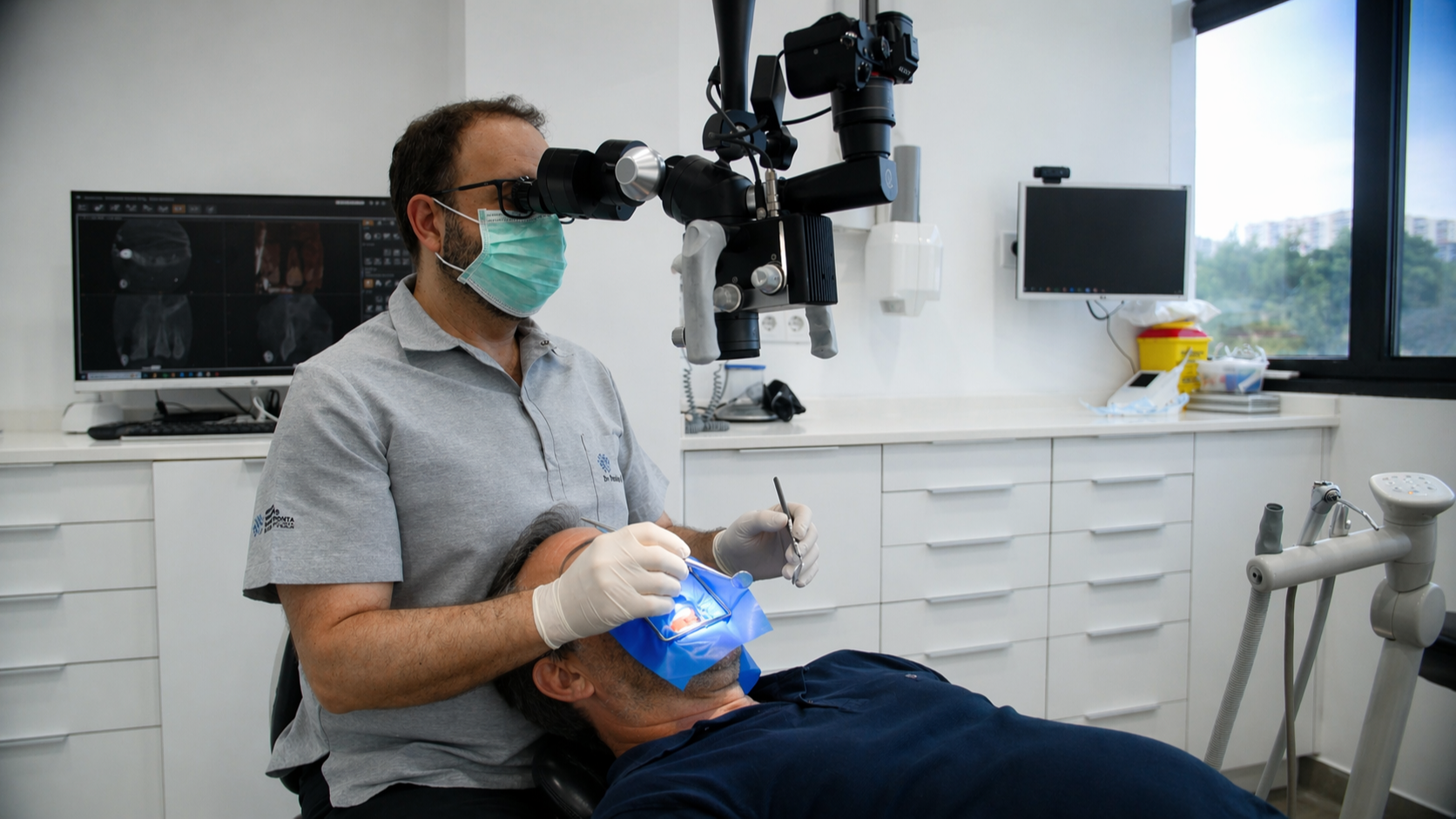
Treatment begins with a careful clinical and radiographic assessment. Once the indication has been confirmed, local anaesthesia is administered to ensure comfort during the procedure.
The tooth is isolated with a rubber dam to keep the treatment area clean and protected. An access opening is then made to reach the inside of the tooth and the root canals. Inflamed or infected tissue is removed, and the canals are cleaned, disinfected and shaped using dedicated instruments.
The root canal system is then sealed with biocompatible materials to prevent renewed contamination. The tooth should subsequently be restored appropriately, with a definitive restoration or crown depending on the case, to restore strength, seal and function.
If you would like to understand the procedure in more detail, see how root canal treatment is performed step by step.
Why choose an endodontist for root canal treatment?
Root canal treatment requires in-depth knowledge of the internal anatomy of teeth and the ability to manage situations that can vary greatly in complexity. Complex anatomy, calcified or difficult-to-locate canals, unclear diagnoses and other demanding situations can particularly benefit from a specialist approach.
At the Portuguese Institute of Endodontics, Dr. Rui Pereira da Costa has dedicated his clinical practice exclusively to Endodontics since 2004, with more than 20 years of experience in the diagnosis and treatment of endodontic cases, including highly complex situations.
This clinical experience is complemented by operating microscopy, digital radiography and, when clinically indicated, cone beam computed tomography (CBCT), allowing each case to be studied in greater detail and the most precise and conservative approach possible to be planned.
You can also learn what distinguishes an endodontist from a general dentist.
Does root canal treatment hurt?
Today, with effective local anaesthesia, modern techniques and a specialist approach, root canal treatment is generally well tolerated. In fact, the purpose of treatment is precisely to relieve the pain caused by inflammation or infection.
Some sensitivity or discomfort may occur during the following days, particularly if pain or infection was already present before treatment, but this is usually temporary and can be controlled with the recommended medication.

What to expect after treatment
After treatment, the tooth may remain sensitive for a few days. Until it has been definitively restored, it is advisable to avoid chewing hard foods on that side, particularly if the tooth has lost a significant amount of structure.
It is essential to complete the restorative phase recommended by your dentist, because a good coronal seal is an important part of medium- and long-term success.
With appropriate follow-up and good oral hygiene, many root canal-treated teeth can remain functional for many years.
You can also read about care and recovery after root canal treatment.
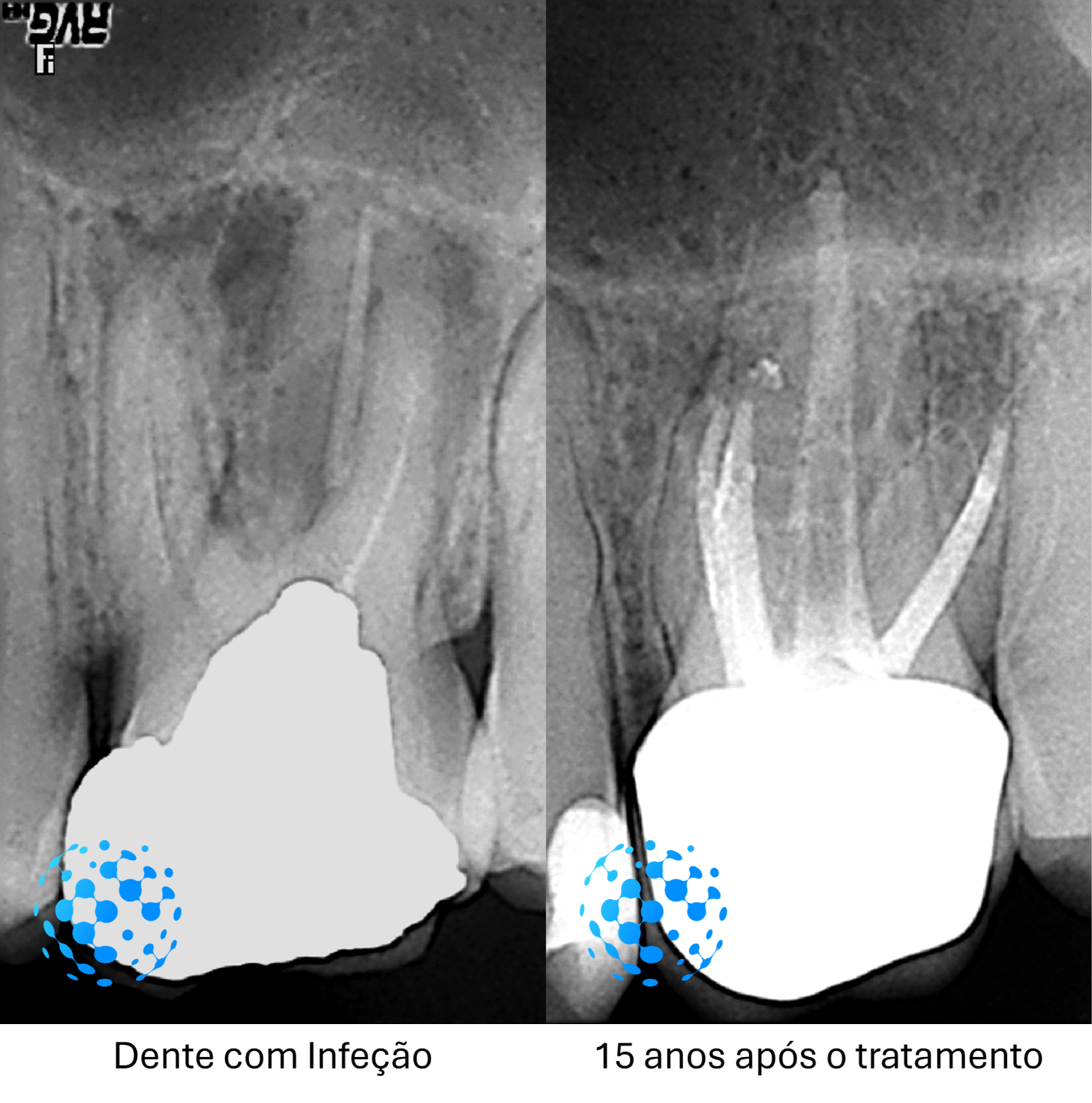
Why preserving the natural tooth is worthwhile
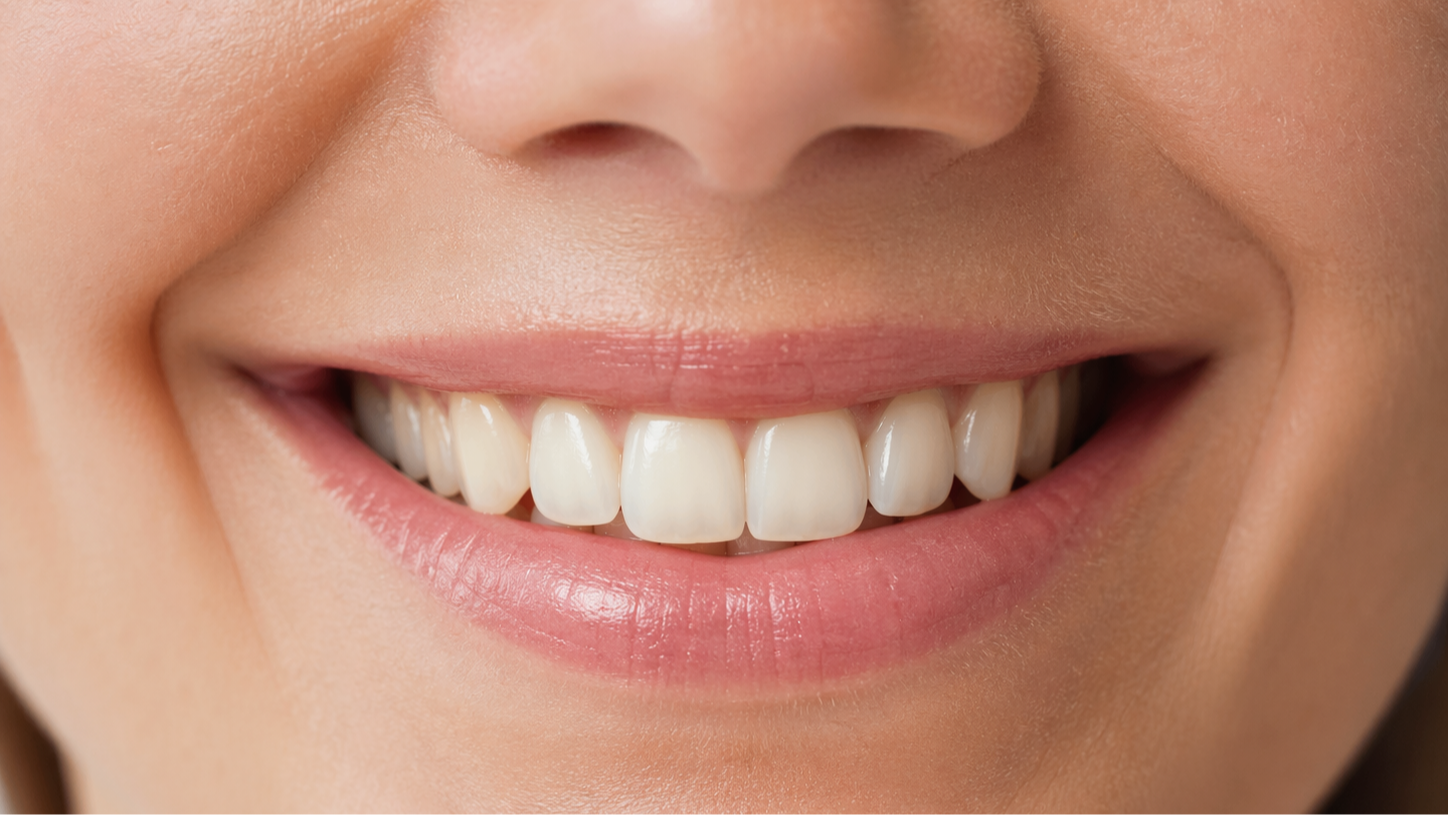
Whenever clinically possible, preserving the natural tooth is usually the best option.
A well-treated natural tooth allows comfortable chewing, helps maintain the correct position of neighbouring teeth, and preserves function and aesthetics in a more biological and conservative way. In many cases, avoiding extraction also means avoiding additional treatment that may be more complex, time-consuming and costly.
Nothing completely replaces the structure, functional sensation and integration of a natural tooth. Therefore, when a predictable option exists to retain it, that possibility should be carefully considered.
When the decision is between preserving and replacing the tooth, we explain the differences between root canal treatment and a dental implant in more detail.
If extraction has been recommended and there is still uncertainty about whether the tooth can be preserved, it may be useful to seek an endodontic second opinion before making an irreversible decision.
Frequently Asked Questions
Are endodontic treatment and root canal treatment the same thing?
Does root canal treatment hurt?
How do I know if I need root canal treatment?
How many appointments are needed?
Will the tooth last forever?
Is a crown always necessary?
What if the tooth has already been treated?
Portuguese Institute of Endodontics
Av. José Gomes Ferreira, nº 11, 4th Floor - Room 44
Algés - Lisbon
Registration no.: 29662
Fixed healthcare establishment registered under no.: E141928
Operating licence: 16494/2018 for dental clinics or dental practices.