Endodontist in Lisbon
Looking for an Endodontist in Lisbon, or have you been told that you may need a “root canal”? Patients often use “root canal” to describe the procedure; the correct clinical terms are root canal treatment or endodontic treatment. At the Portuguese Institute of Endodontics, we diagnose and treat diseases of the dental pulp and tissues around the root, including complex diagnostic and treatment situations.
When should you see an Endodontist?
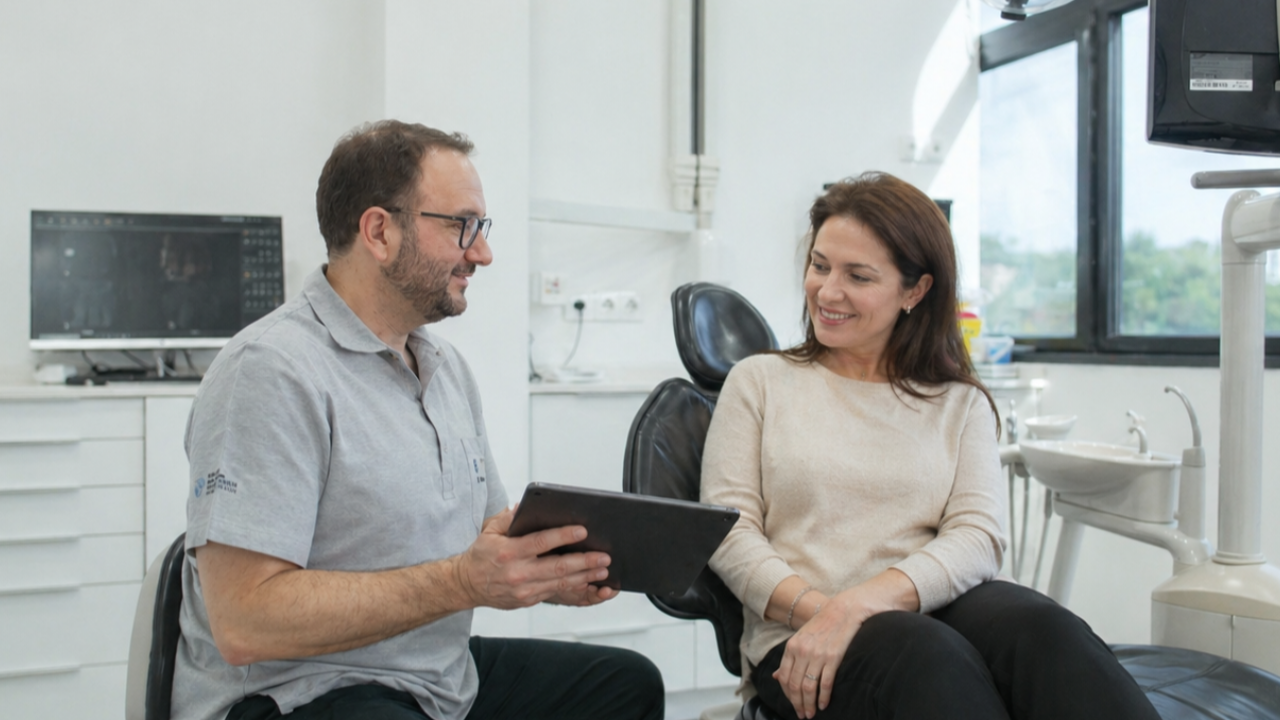
An Endodontist is a dentist whose practice is focused on diagnosing and treating diseases of the dental pulp, root canal system and tissues surrounding the root. A specialist assessment is particularly useful when the diagnosis is unclear or when treatment requires specific techniques, magnification or equipment.
You may benefit from an endodontic assessment if you have persistent toothache, lingering sensitivity to hot or cold, pain when biting, swelling, tooth discolouration, an abnormality seen on an X-ray, or problems affecting a tooth that has already undergone root canal treatment.
We also assess teeth when there is uncertainty about whether the natural tooth can be predictably preserved before an irreversible decision is made.
Conditions we assess and treat at the IPE
Endodontics extends well beyond a first root canal treatment. Many cases require differential diagnosis, reassessment of previous treatment or more complex approaches.
First root canal treatment
Teeth with irreversible pulpal inflammation or infection, persistent pain, pulp necrosis or disease of endodontic origin may require root canal treatment.
Previously treated teeth
If a previously root-treated tooth develops symptoms, persistent infection or a new lesion, root canal retreatment may need to be considered.
Complex cases
Calcified canals, separated instruments, perforations, resorptive defects, unusual anatomy and suspected cracks or fractures often require more detailed assessment. In selected cases, endodontic microsurgery may be indicated.
Endodontic diagnosis: understand first, treat second
Not all dental pain has the same origin. Diagnosis therefore begins with the clinical history and a focused assessment, which may include pulp sensibility tests, percussion and palpation, periodontal probing, assessment of the bite and periapical radiographs.
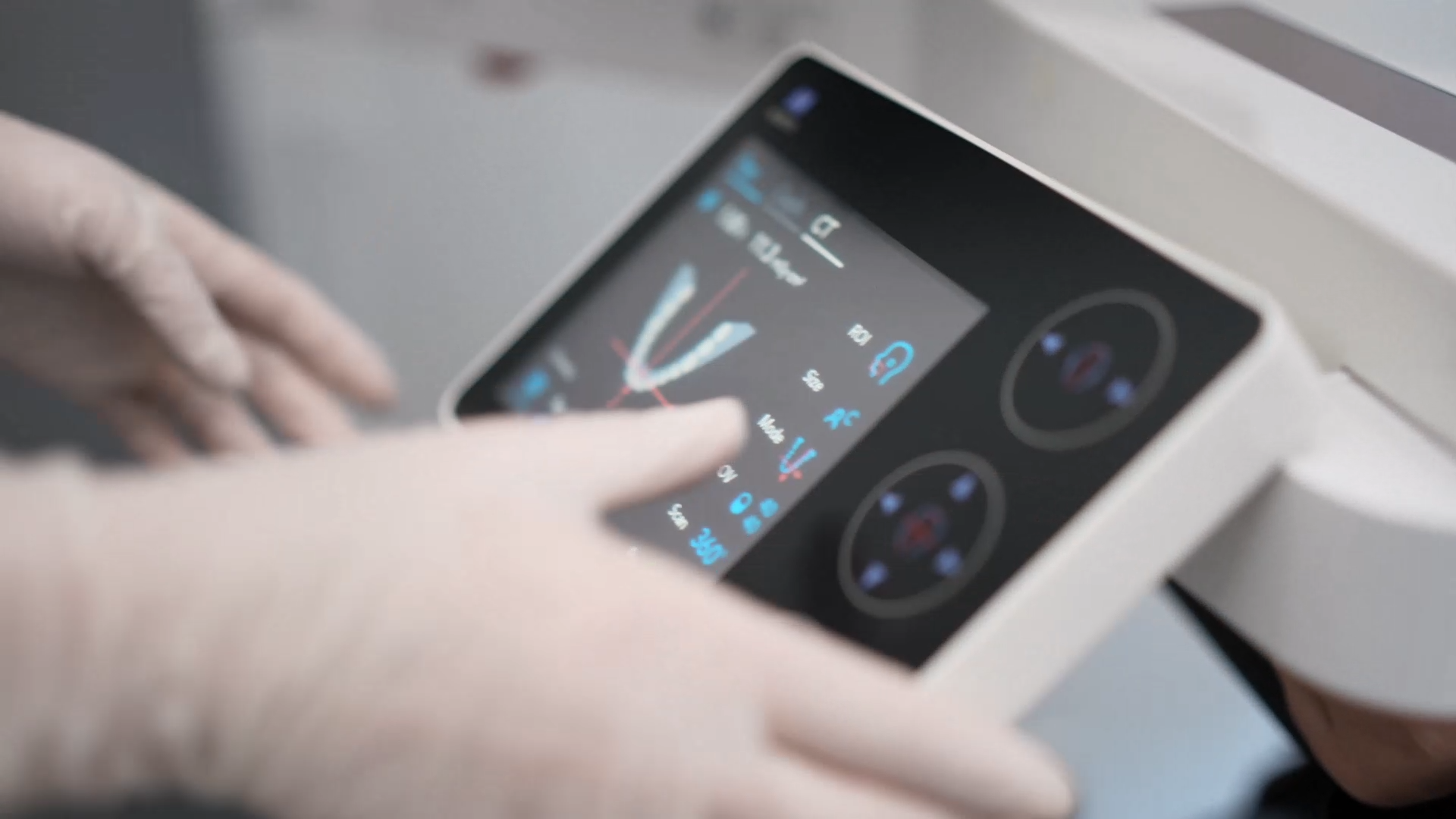
When this information is insufficient, cone beam computed tomography (CBCT) allows three-dimensional assessment of the tooth, roots and surrounding tissues. It can be particularly important in previously treated teeth, complex anatomy, persistent lesions, resorption, perforations, suspected fractures or microsurgical planning.
Operating microscope: precision in every detail
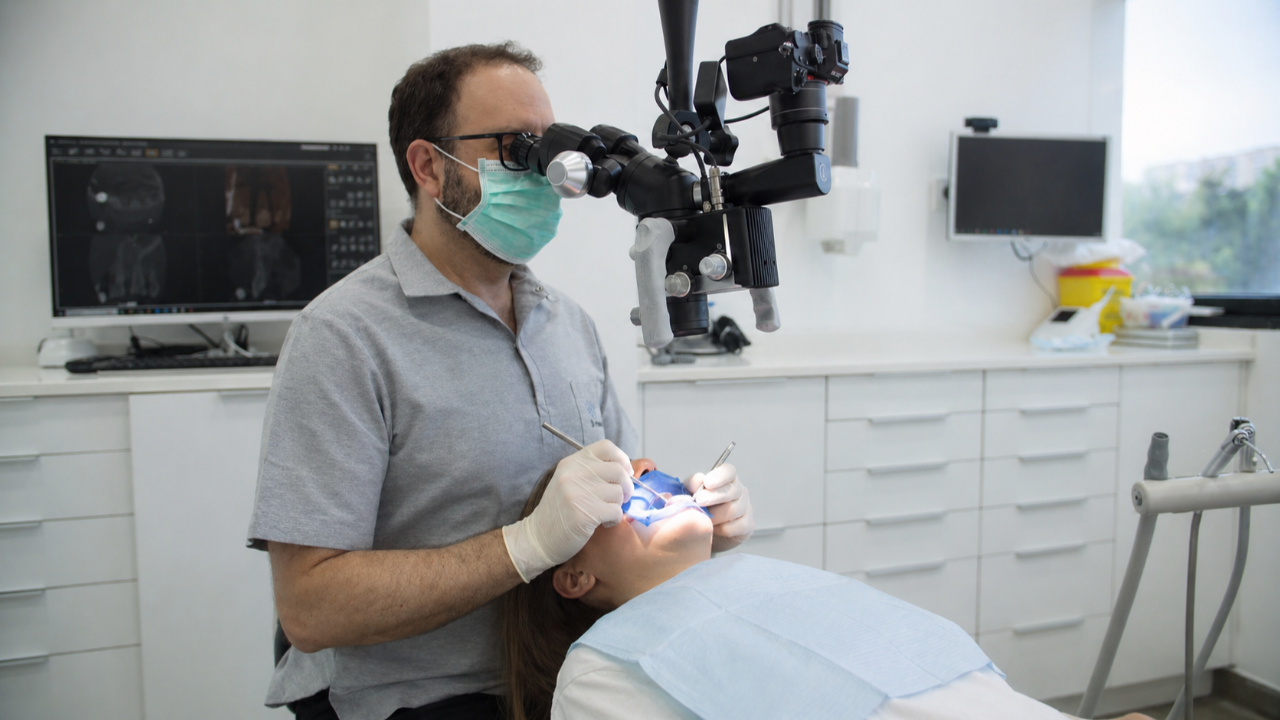
The operating microscope provides magnification and coaxial illumination, helping us visualise structures that may be difficult to identify with the unaided eye.
It is particularly valuable for locating canals, managing calcifications, removing restorative materials and posts, treating perforations, managing separated instruments and other complex procedures.
Magnification does not replace clinical judgement, but it allows delicate procedures to be performed with greater precision and a more conservative approach.
Which treatment is appropriate?
Treatment depends on the diagnosis, the condition of the tooth and any previous procedures. The aim is to choose the most conservative and predictable approach for each case — not to assume from symptoms alone that root canal treatment is required.
Root Canal Treatment
Treatment of the root canal system when the dental pulp is irreversibly inflamed or infected. It is the procedure patients often refer to simply as “a root canal”.
Root Canal Retreatment
A new endodontic approach to a previously treated tooth when symptoms, infection or disease persist or recur. It aims to identify and address the cause of the continuing problem.
Second Opinion
A specialist reassessment when there are doubts about the diagnosis, prognosis or treatment options. It can be particularly useful before irreversible decisions, such as extraction of the tooth.
Why choose the Portuguese Institute of Endodontics?
The Portuguese Institute of Endodontics is a clinic specifically dedicated to endodontic diagnosis and treatment. This concentration on a single clinical field allows us to bring together experience, technology and specialised instrumentation for both straightforward and highly complex cases.
Our approach combines operating microscopy, digital radiography, high-resolution CBCT when indicated and clinical protocols focused on preserving the natural tooth whenever this is biologically and restoratively predictable.
When a patient is referred by another dentist, our aim is to manage the endodontic component and provide the information needed for the patient to return to their referring dentist for continuing care and definitive restoration.
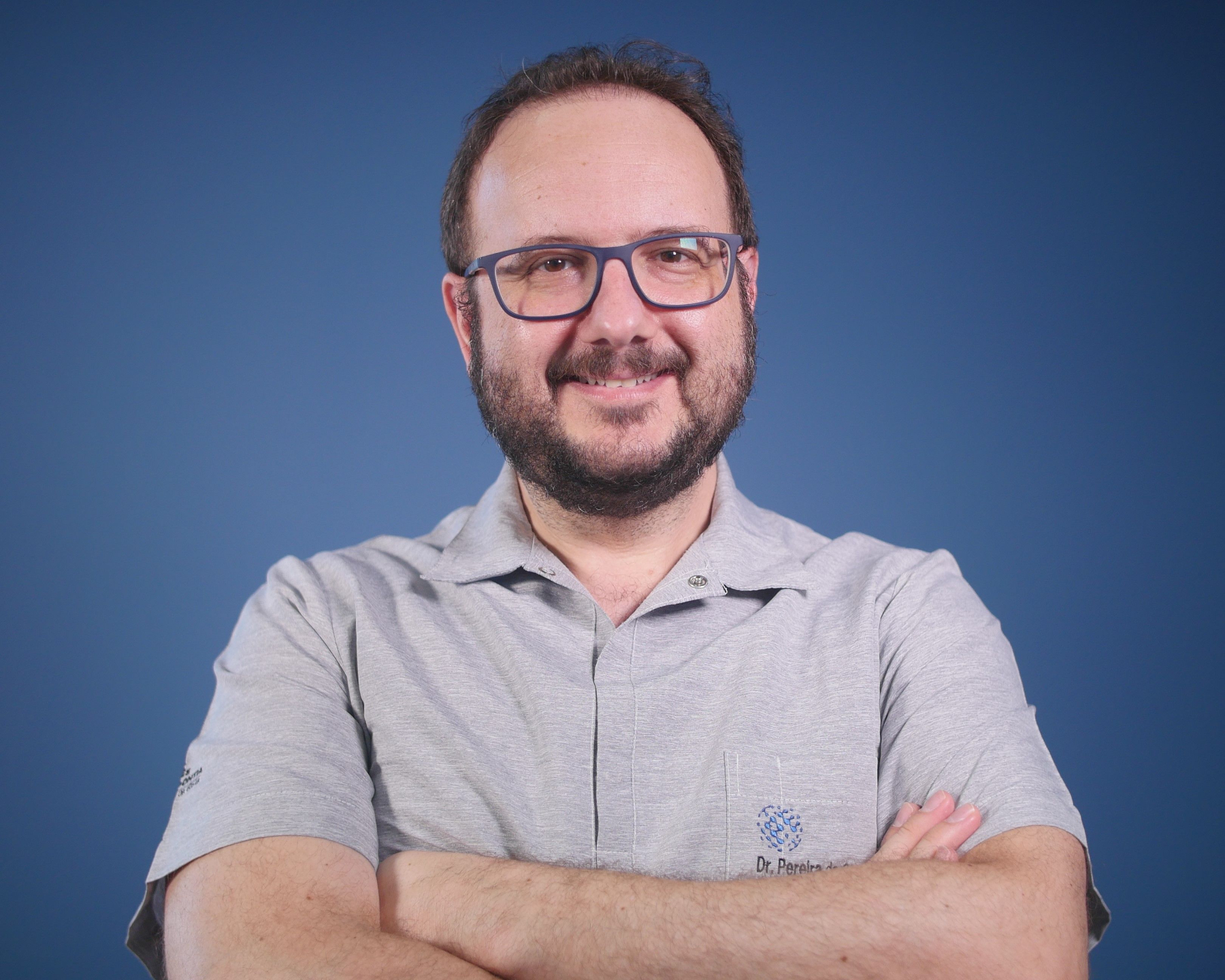
More than 20 years dedicated to Endodontics
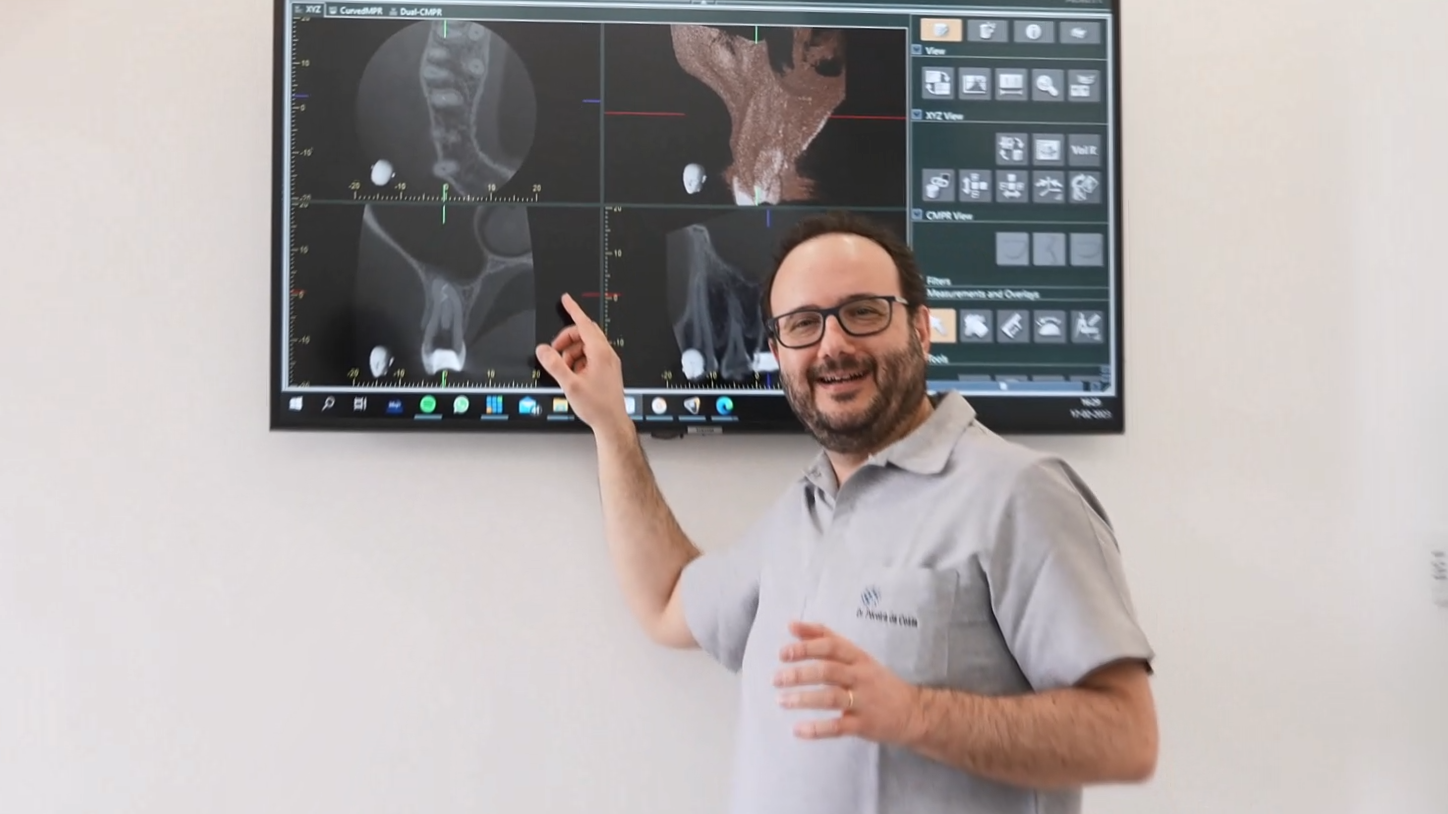
Dr. Rui Pereira da Costa has dedicated his clinical practice exclusively to Endodontics for more than 20 years, including the diagnosis and treatment of complex cases. His clinical work is complemented by research, postgraduate education and university teaching in Endodontics.
At the IPE, clinical experience is integrated with advanced diagnostic technology and magnification, with a central principle: every tooth is assessed individually and natural tooth structure is preserved whenever a predictable option exists.
Frequently Asked Questions
What does an Endodontist do?
Do I need a referral from my dentist?
Does toothache mean I need a “root canal”?
Will I need a CBCT scan?
Can a tooth that has already had root canal treatment be treated again?
Is the goal always to save the tooth?
Why may it be preferable to have the CBCT scan performed at the IPE?
Looking for an Endodontist in Lisbon?
Contact us to book a specialist assessment at the Portuguese Institute of Endodontics.
Portuguese Institute of Endodontics
Av. José Gomes Ferreira, nº 11, 4th Floor - Room 44
Algés - Lisbon
Registration No.: 29662
Fixed establishment registration: E141928
Operating licence: 16494/2018 for dental clinics or practices.